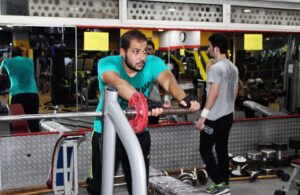
Relationships, much like muscles, require stress, recovery, and consistent effort to grow stronger. While dinner dates and cinema trips are standard fare for most couples, a growing number of partners are finding that their strongest connections are forged not over candlelight, but under the heavy weights of a barbell. CrossFit, the high-intensity fitness regimen known for its communal spirit and grueling workouts, offers a unique environment for couples to test their limits and, in doing so, deepen their bond. When two people voluntarily subject themselves to physical challenges that push them to the brink of exhaustion, they strip away the superficial layers of their dynamic, revealing a raw, authentic connection rooted in shared resilience.
The concept of "shared suffering" is well-documented in psychological research as a powerful bonding agent. In the context of a CrossFit box, this manifests during the "Workout of the Day" (WOD), where participants might find themselves gasping for air after a series of thrusters or battling mental fatigue during a long row. For couples, navigating this physical adversity side-by-side creates a profound sense of camaraderie. You aren't just witnessing your partner's strength; you are seeing them at their most vulnerable, struggling against their own limitations. This shared vulnerability fosters empathy and understanding, as both partners recognise the sheer grit required to keep moving when every fibre of their body wants to quit.
Communication under pressure
Effective communication is the cornerstone of any successful relationship, and CrossFit provides a unique laboratory for testing this skill under duress. During a partner WOD, clear and concise communication is often the difference between a smooth workout and a frustrating disaster. Couples must strategise beforehand, breaking down reps and determining who takes the lead on specific movements. In the heat of the moment, when heart rates are spiking and fatigue sets in, the ability to offer encouragement or signal a need for a break without snapping at one another becomes crucial. Learning to communicate needs and offer support while physically stressed translates seamlessly into everyday life, equipping couples with better tools to handle financial stress, parenting challenges, or career obstacles.
Celebration of mutual success
In a culture that often pits individuals against one another, CrossFit uniquely celebrates the success of the collective. For couples, this means having a front-row seat to each other's victories, big and small. Whether it is finally nailing a double-under, hitting a personal best on a deadlift, or simply finishing a workout that seemed impossible, the joy is amplified when shared. This mutual celebration builds a supportive foundation where jealousy has no room to breathe. Instead of competing against each other in a way that breeds resentment, CrossFit couples often find themselves competing with each other, pushing one another to be better versions of themselves. This supportive dynamic reinforces the idea that they are a team, tackling life's heavy lifts together.
Accountability and routine
Maintaining a consistent fitness routine is challenging, but having a live-in accountability partner significantly increases the odds of success. When the alarm goes off at 5:00 AM on a cold, rainy morning, it is much harder to hit snooze when your partner is already lacing up their trainers. This shared commitment to health and discipline creates a positive feedback loop. Couples who prioritise their physical well-being together often find themselves making healthier choices outside the gym as well, from nutrition to sleep habits. This alignment in lifestyle choices reduces friction and ensures that both partners are moving in the same direction, literally and metaphorically.
The transfer to daily life
The resilience built within the four walls of a CrossFit box does not stay there. The mental fortitude required to push through the last set of wall balls is the same fortitude needed to navigate a difficult period at work or a family crisis. Couples who train together learn that they can endure discomfort and come out stronger on the other side. They develop a shared language of perseverance. When life throws a heavy curveball, they can look at each other and know, based on countless hours of shared sweat and effort, that they have the capacity to handle it. The shared history of overcoming physical challenges provides a reservoir of confidence that they can draw upon when facing the inevitable emotional and logistical challenges of long-term partnership.
Building a legacy of strength
Ultimately, the bond forged through high-intensity training is about more than just fitness; it is about building a legacy of strength and mutual respect. By choosing to face challenges together voluntarily, CrossFit couples are actively investing in the longevity of their relationship. They are proving to themselves and each other that they are capable of growth, adaptation, and unwavering support. In a world where relationships are often tested by external pressures, the solid foundation built on the gym floor offers a stability that is hard to shake. It turns out that the couple that sweats together truly does stay together, bound not just by love, but by the unbreakable steel of shared endeavour.